“It’s not just about surviving anymore”

An ex-client reflects on a recent trip to Vietnam—and how it helped her see the progress she’s made in recovery…
Finding Freedom in Vietnam: A Journey of Recovery
When I arrive in Vietnam, I’m struck by how different everything is—especially the food. As a typical Dutch person, I’m used to cheese sandwiches in my lunchbox, a single hot meal a day, and dinner at 6 or 7 p.m. But here, bread is rare. Meals are hot, and they happen at any time of day—even breakfast. It’s not unusual to eat dinner at 9 p.m. The culture is vibrant, and food is everywhere.
Being in recovery allows me to embrace this change. I’m no longer ruled by rigid food rules in my head. In Vietnam, meals are often shared—bowls of food placed in the middle of the table, and everyone serves themselves. There’s always an abundance, because in Vietnamese culture, it’s a sign of care to ensure guests have more than enough. In the past, this would’ve completely overwhelmed me. My eating disorder would’ve let me take only a few bites of something “safe,” or I would’ve frozen and eaten nothing at all.
Now, I can choose what looks tasty. I still feel a little unsure at times—faced with unfamiliar dishes and uncertain preparation methods—but I try new things because I want to, not because I have to.
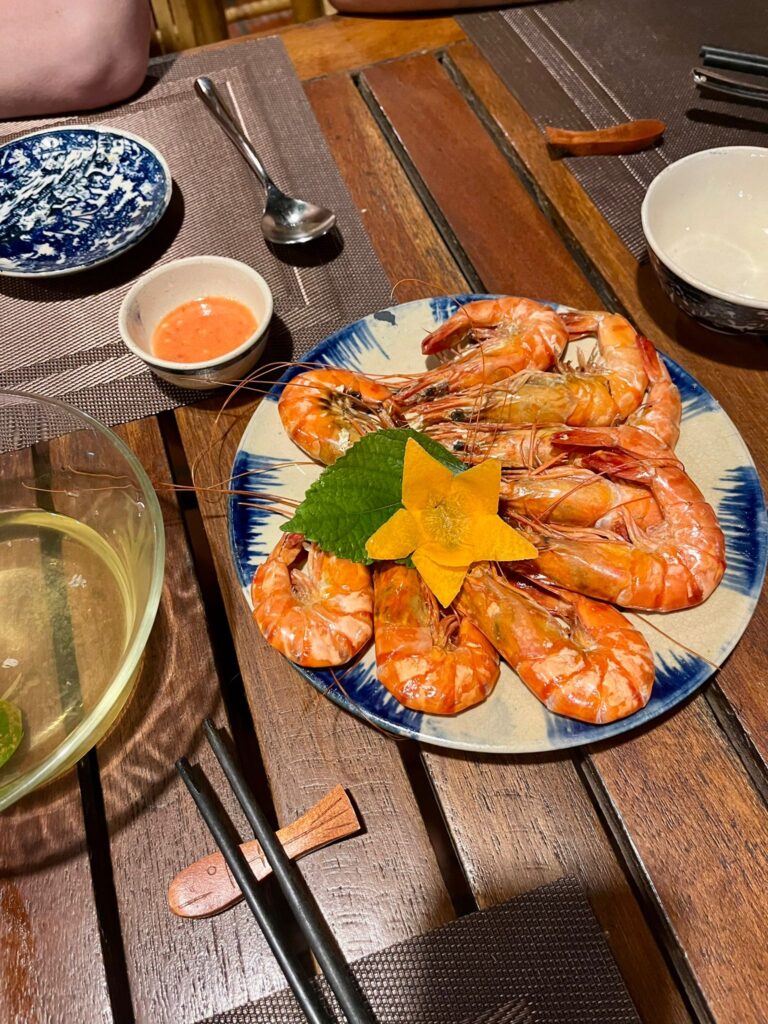
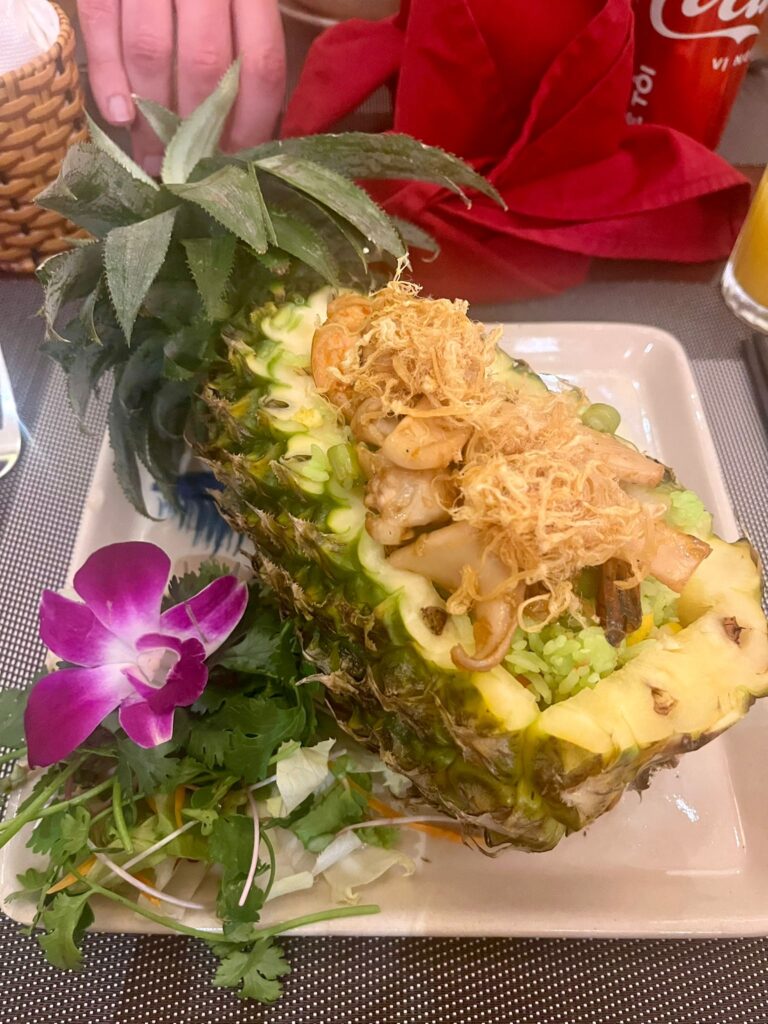
There are foods I used to avoid completely—things I feared. In treatment, I practised eating them without compensating, which helped remove those labels of “forbidden” or “unsafe.” In Vietnam, I eat many of those former “fear foods” with joy. I used to be terrified of carbs. Here, rice is served at every meal—even breakfast. If there’s no rice, there’s sticky rice pudding! One of my main motivations in recovery is being able to enjoy the social aspect of food. I’ve missed out on so much because I didn’t want to eat. I don’t want to miss out anymore.
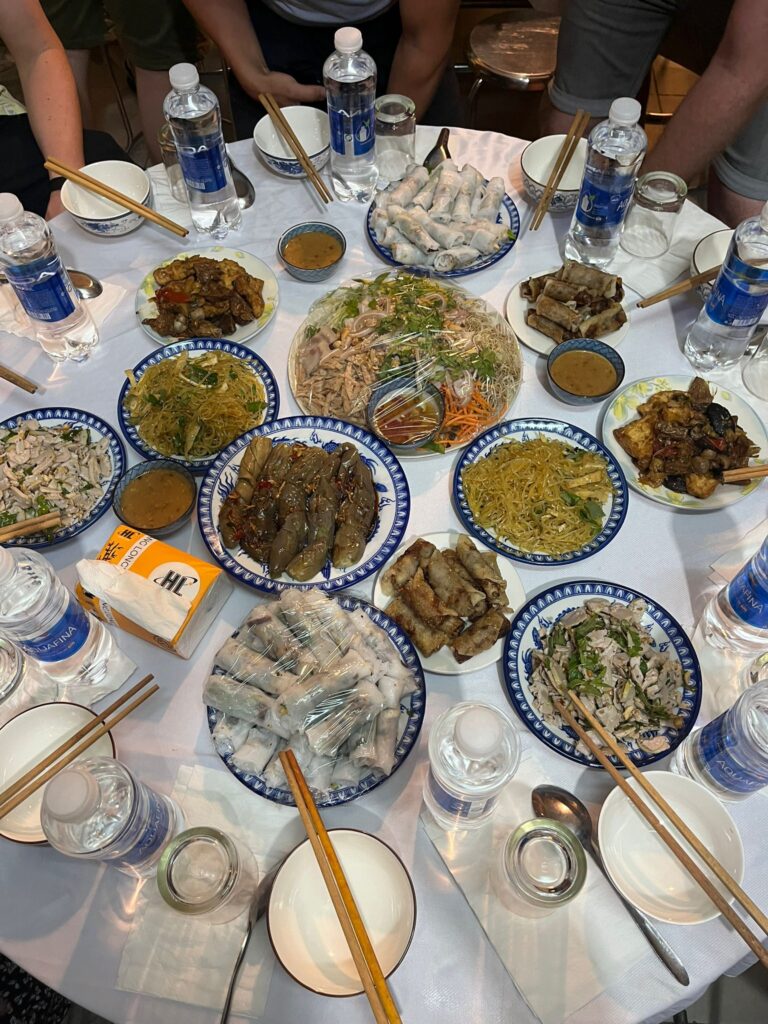
Meals here are about connection. Cooking and eating together is how people bond. I’m traveling with a group of people I don’t know yet, and it’s important to engage. In the past, I would’ve been so wrapped up in my food anxiety that I’d have missed the moment.
Now, I can stay present, talk, laugh, and actually experience the company.
That’s such a huge freedom!
Living, Not Surviving
One of the most important changes I experience is energy—something I once lacked completely. When I was deep in my illness, I didn’t have the strength to get through the day. Just surviving was hard. Now, I live. The days here are long and active—filled with things to do and places to explore. In the past, I would’ve skipped so much because I either didn’t have the energy or pushed myself too hard, leaving no room for balance.
Now, I know how to rest. I can take a break when I’m tired—or even when I’m not, just because it feels good. A beach day used to feel like a waste of time. Now, it feels like a gift.
Reclaiming Movement
This trip involves more physical activity than I expect—but it’s fun. In the past, exercise felt like a punishment, something I was forced to do. I pushed myself through pain, fatigue, and even injury because I felt I had to. Recovery meant stepping away from exercise entirely for a while. Now, I’m reintroducing it with intention. I only do what I enjoy, and I don’t want to do it alone anymore.
In Vietnam, movement isn’t the goal—it’s a way to reach stunning places and experience new things. That’s such a shift.
Seeing with New Eyes
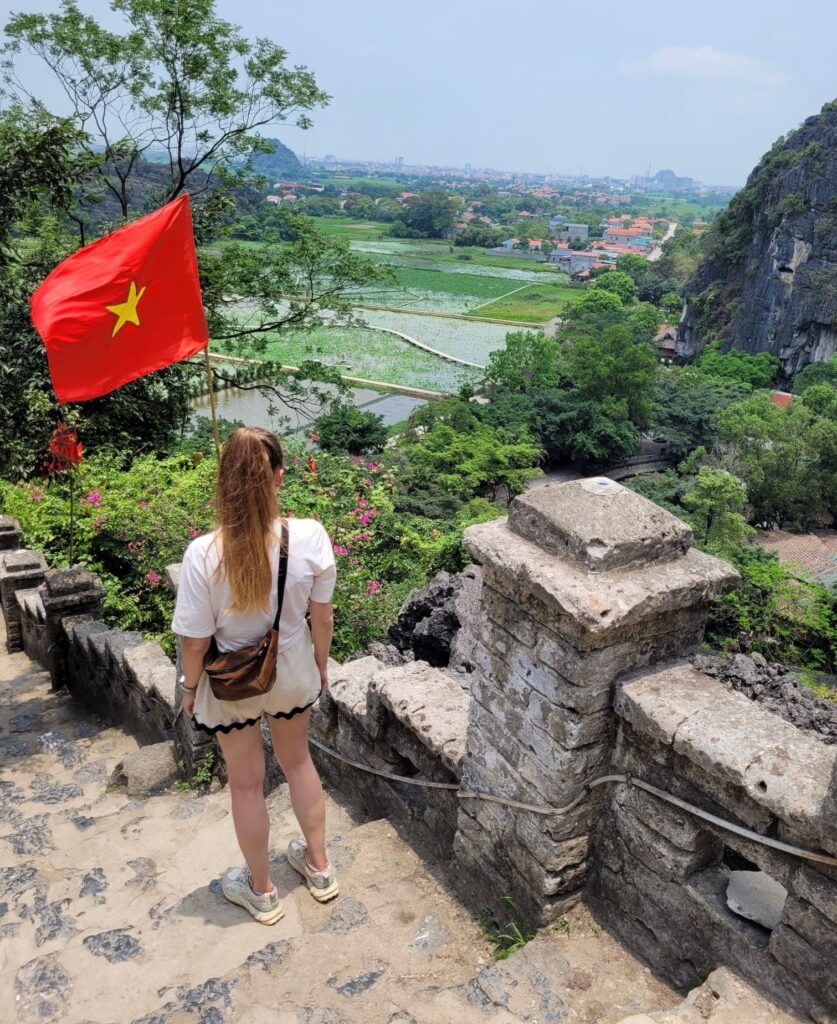
Vietnam’s natural beauty is awe-inspiring. I love being in nature, and this trip gives me countless opportunities to enjoy it. Hiking up a mountain, I realise just how far I’ve come. There was a time I could barely climb the stairs to my apartment. Now, I’m reaching mountaintops. That moment feels incredibly meaningful.
So do the family dinners. Sitting down in someone’s home, sharing food I once would’ve feared, and fully participating—that’s something I never thought possible during my eating disorder.
Looking Forward
This trip happens at a turning point in my life—right between finishing university and starting a new job (which begins tomorrow!). I know new challenges are coming, and I also know that work can be a trigger. But Vietnam reminds me of a truth I want to hold on to: life is more beautiful and more manageable in recovery.
I realise now that I can shape my own life. There’s so much out there to discover—but only if I stay in recovery.

Bringing Vietnam Home
Of course, I know that life back home won’t feel like this constant adventure. But I’m taking a few important lessons with me. I’ve learned the importance of social connection, of having energy, of staying flexible with food. I want to keep practising with variety, keep challenging those old fears, and avoid slipping back into rigidity.
Because when I make room for joy and spontaneity, that’s when I feel truly free.
“Thank you for sharing your experience with Imani, your courage will inspire others.”